end tidal co2 meaning
This is a major respiratory symptom. End-tidal CO2 monitoring allows for almost immediate information about what is going on with a patient.

Ems Assessment And Treatment Of Asthma 5 Things To Know Capnoacademy Capnoacademy
ETCO 2 levels reflect the adequacy with which carbon dioxide CO 2 is carried in the blood back to the lungs and exhaled.

. For this reason the accuracy of the partial pressure of end-tidal carbon dioxide ETCO2 measurements is questionable. The purpose of this study was to evaluate ETCO as a quantitative marker of cardiac arrest in a human model of ventricular fibrillation VF. Definition of Low CO2 hypocapnia Hypocapnia hypocapnea also known as hypocarbia is defined as a deficiency of carbon dioxide in the arterial blood.
End-tidal carbon dioxide ETCO 2 is the level of carbon dioxide that is released at the end of an exhaled breath. End-tidal CO2 EtCO2 monitoring is a measure of metabolism perfusion and ventilation. End tidal carbon dioxide concentration.
End-tidal CO 2 monitoring has also been useful for breathing retraining as it provides additional information about the progress of a persons breathing normalization. End-tidal carbon dioxide EtCO 2 waveform monitoring allows you to measure all three. Low EtCO 2 with other signs of shock indicates poor systemic perfusion which can be caused by hypovolemia sepsis or dysrhythmias.
So basically its all to do with dead space. Exhaled carbon dioxide both in terms of its quantity and pattern provides detailed information on the cardiopulmonary system. MONITORING of end-tidal carbon dioxide is one of the most important means of determining the physiologic well-being of anesthetized patients.
End-tidal CO2 monitors can give healthcare providers an early warning if a patient is experiencing respiratory distress or going into respiratory failure. Carbon dioxide CO 2 is a product of metabolism transported via perfusion and expelled through ventilation. Available evidence has established that ETCO 2 measurement can provide an indication of cardiac output and pulmonary blood flow.
In this study the aim was to review the applications of end-tidal carbon dioxide ETCO2 monitoring in emergency department multiple databases were comprehensively searched with combination of following keywords. The gradient is the difference between the arterial carbon dioxide partial pressure PaCO 2 and the etCO 2 partial pressure is a result of the relationship between ventilation and perfusion or rather ventilation-perfusion matching VQ. Loss of the ETCO2 trace.
The amount of CO2 at the end of exhalation or end-tidal CO2 ETCO2 is normally 35-45. Most medical sources define hypocapnia as less than 35 mm Hg for partial CO2 pressure in the arterial blood. Alveolar dead space in particular is what affects the end-tidal CO 2 measurement which is taken at the end of expiration.
Eisenberg and Terry J. Like pulse oximetry before it alerting us to changes in oxygenation end-tidal CO2 monitoring or ETCO2 is rapidly becoming an additional vital sign. Capnograph is an indispensable tool for monitoring metabolic and respiratory function.
Of or relating to the last portion of expired tidal air End-tidal carbon dioxide monitors are already being used and are recommended to indicate the adequacy of cardiopulmonary resuscitation and the likelihood of a successful resuscitation. By that stage anatomical dead space has completely emptied and is. Capnography is the monitoring of the concentration or partial pressure of carbon dioxide CO 2 in the respiratory gasesIts main development has been as a monitoring tool for use during anesthesia and intensive careIt is usually presented as a graph of expiratory CO 2 measured in millimeters of mercury mmHg plotted against time or less commonly but more usefully.
Mengert The New England Journal of Medicine. The arterial CO2 value for normal breathing at rest is 40 mm. The continued presence of CO2 in the exhaled breath can only mean placement of the tube in the trachea.
We experimentally examined the reliability of ETCO2 measurements through a nasal cannula and found that they depended on both biological factors tidal volume and respiratory rates and mechanical factors the diameter and the. This eliminates the need to wait for blood work chest-x-rays and other diagnostic tests. Medical Definition of end-tidal.
In the ED we typically think of a EtCO2 as a marker of perfusion and ventilation. In fact its commonly called the ventilation vital sign. In critical care End Tidal CO 2 monitoring is used to assess adequacy of circulation to the lungs which provides clues about circulation to the rest of the body.
Also called capnometry or capnography this noninvasive technique provides a breath-by-breath analysis and a continuous recording of ventilatory status. End-tidal carbon dioxide ETco 2 monitoring provides valuable information about CO 2 production and clearance ventilation. Thirty-one cardiac arrestVF episodes mean BP 40 mmHg in 8 men and 3 women mean age 42.
ETCO2 emergency department monitoring and critical. End-tidal capnography or end-tidal CO2 EtCO2 monitoring is a non-invasive technique that measures the partial pressure or maximal concentration of carbon dioxide CO2 at the end of an exhaled breath. Respiratory end tidal CO2 ETCO is a marker of pulmonary blood flow and possibly cardiac arrest.
Sometimes however etCO 2 monitoring is used as a feedback or biofeedback mechanism. We routinely use ETCO2 to provide information on ventilation. CO2 is a byproduct of cellular metabolism which gets transported in the blood to the lungs for elimination.
However EtCO2 is an extremely powerful surrogate for endotracheal tube ETT P osition CPR Q uality R eturn of spontaneous circulation ROSC S trategies for treatment and T ermination. When calculating the gradient the clinician is comparing the carbon dioxide CO 2 sampled from the ABG.
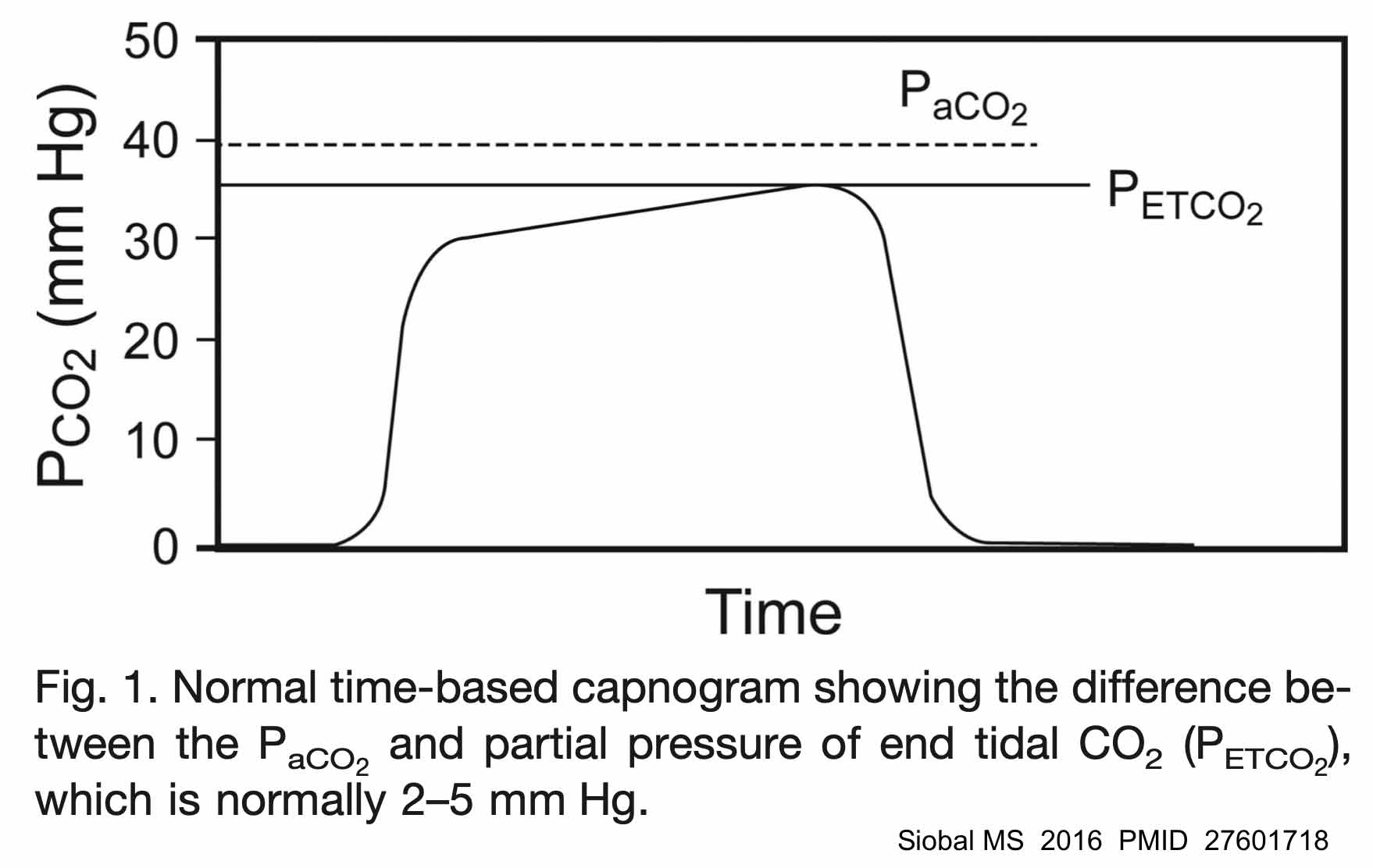
𝙟𝙤𝙨𝙝 𝙛𝙖𝙧𝙠𝙖𝙨 On Twitter End Tidal Co2 Etco2 Will Always Be Lower Than The Arterial Co2 B C Dead Space Dilutes Co2 As The Patient Exhales The Gap Between The Etco2 And

Basic Capnography Interpretation Nuem Blog

Potential Applications Of Capnography In The Prehospital Setting Journal Of Paramedic Practice

Etco2 Valuable Vital Sign To Assess Perfusion The Airway Jedi
Waveform Capnography In The Intubated Patient Emcrit Project

E Learning Basics Of Capnography Youtube
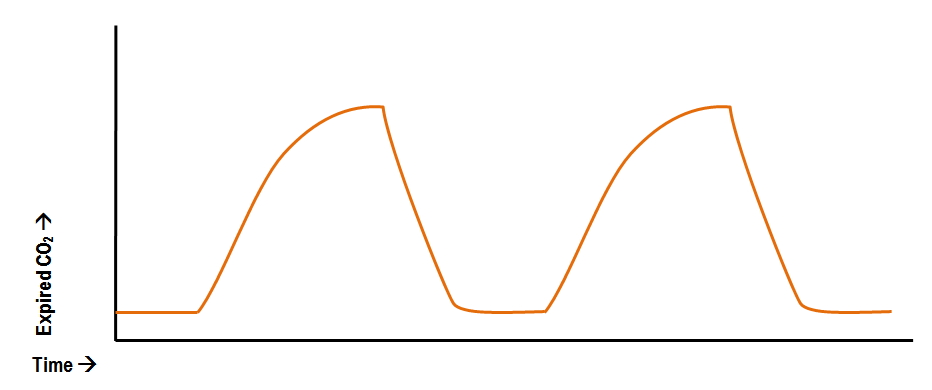
Abnormal Capnography Waveforms And Their Interpretation Deranged Physiology

Interpreting Capnograms Rk Md

Basic Waveform Capnography As A Continuous Monitoring Tool During Mechanical Ventilation
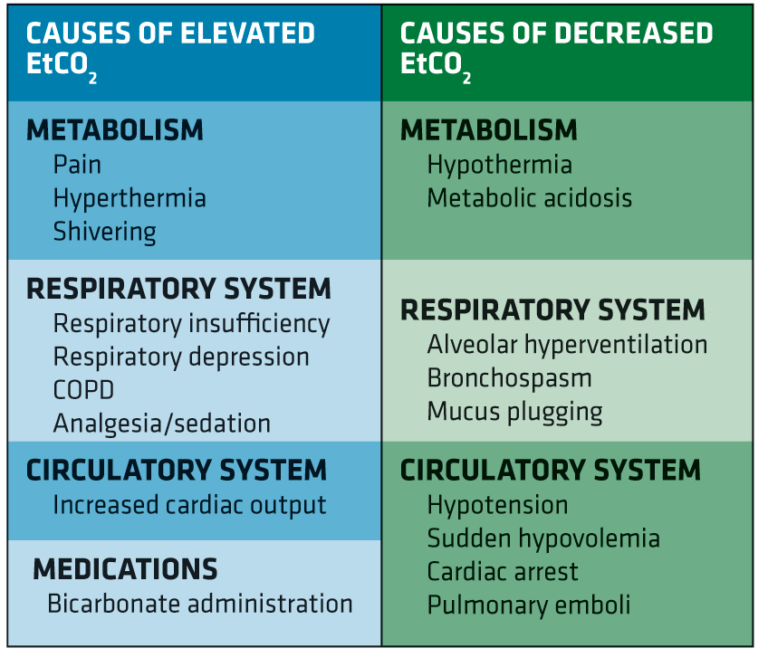
End Tidal Co2 The Drummer Of The Vital Sign Band Pem4
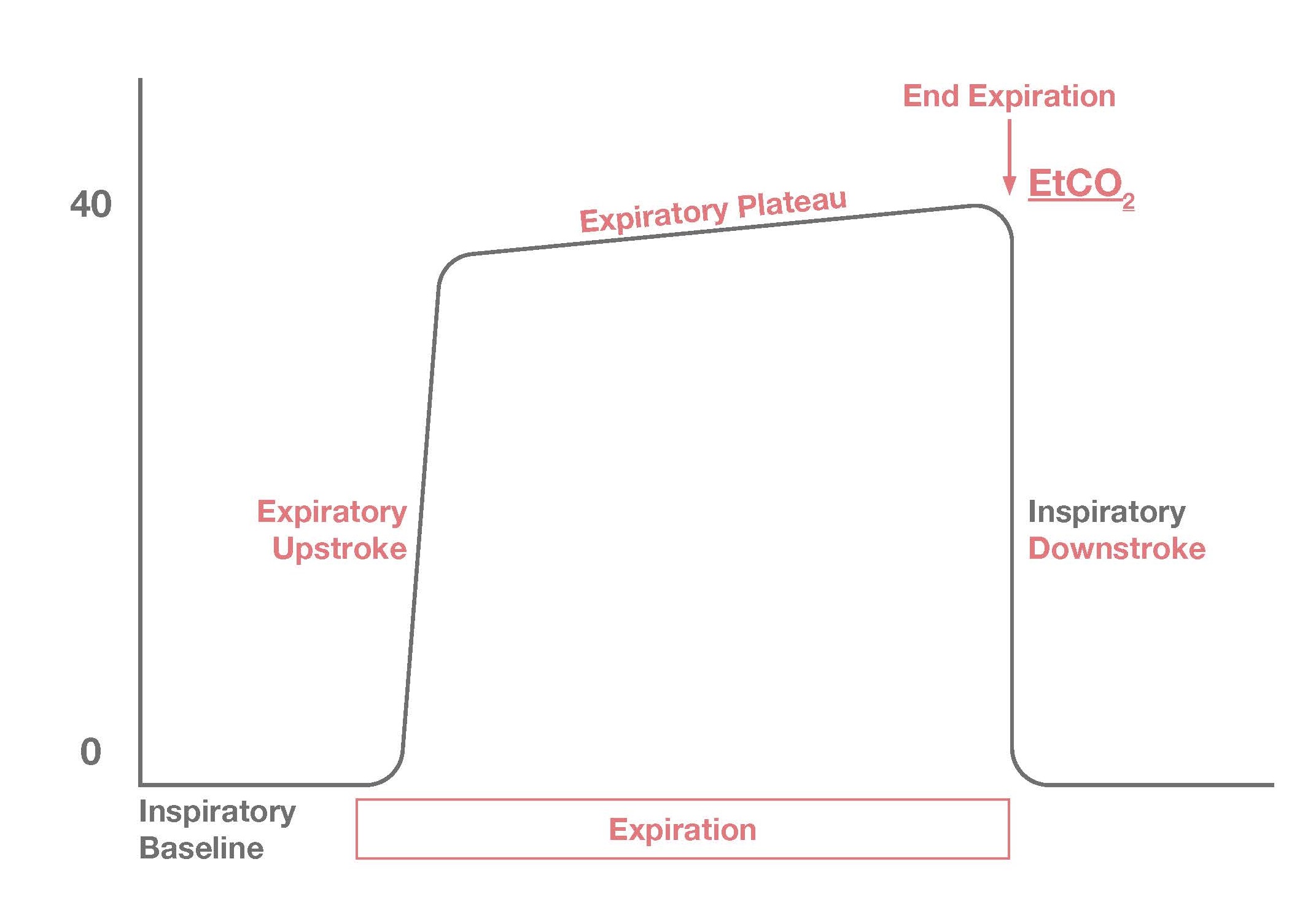
Quantitative Waveform Capnography Acls Medical Training

Basic Capnography Interpretation Nuem Blog

5 Medical Conditions Where Capnography Can Affect Bls Care Capnoacademy Capnoacademy

Capnography Provides Bigger Physiological Picture To Maximize Patient Care Jems Ems Emergency Medical Services Training Paramedic Emt News
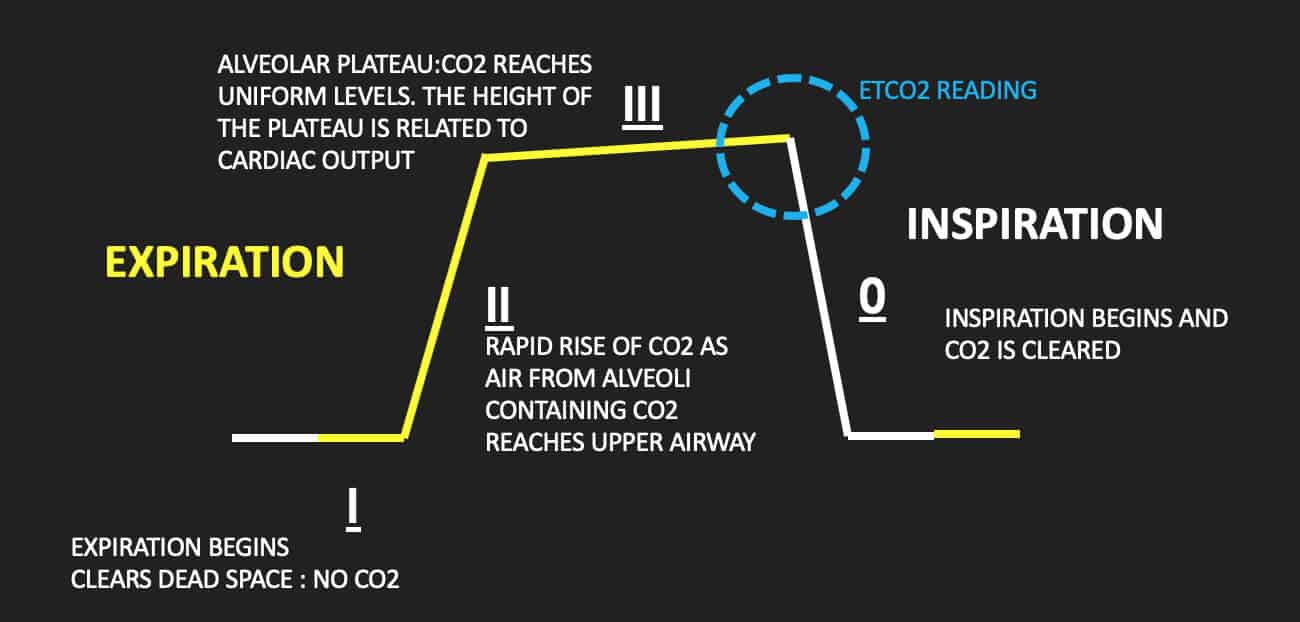
Capnography Resus
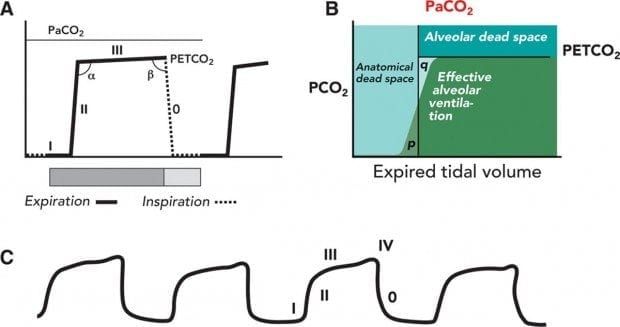
Capnography Waveform Interpretation Litfl Ccc Equipment

How To Read And Interpret End Tidal Capnography Waveforms Emsuk Learning

Basic Capnography Interpretation Nuem Blog
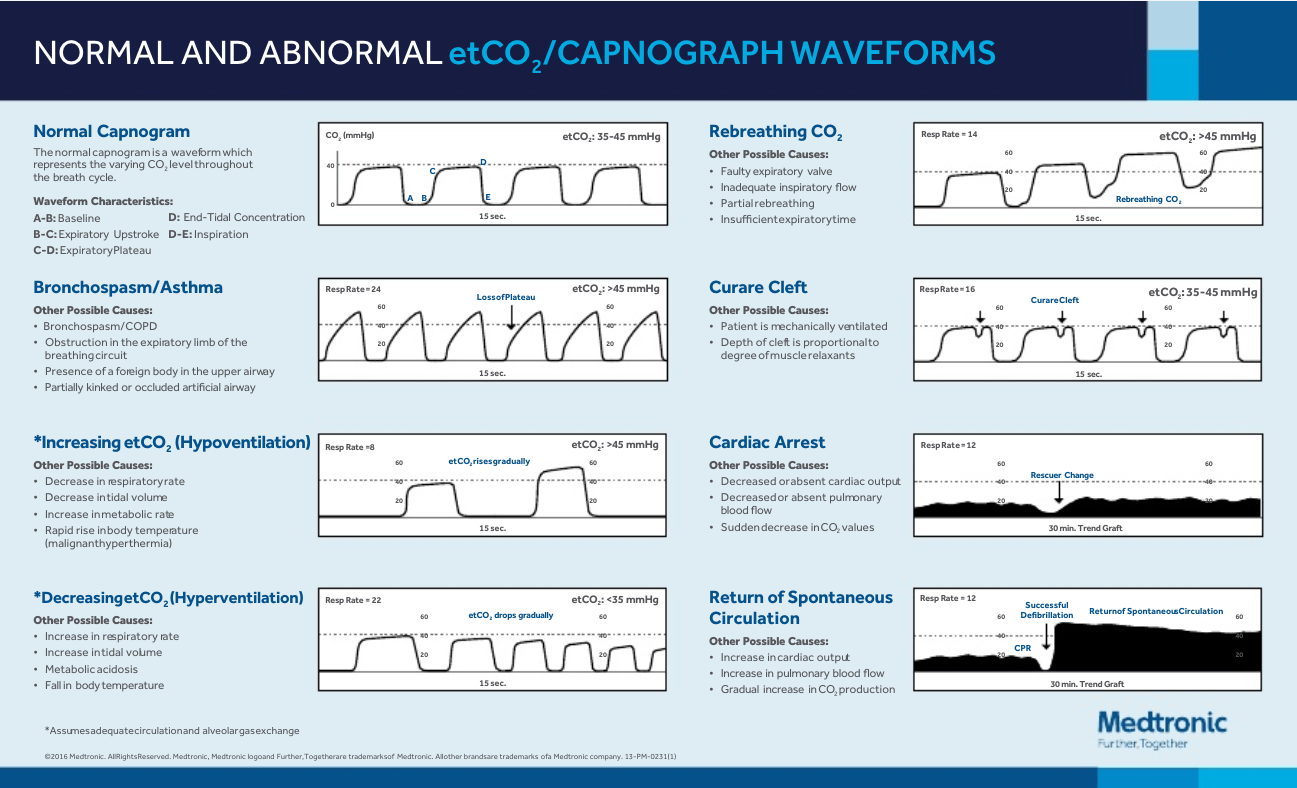
Normal And Abnormal Capnography Waveforms Infographic Capnoacademy Capnoacademy